/
There is a transformative journey inherent in the glaze material, from rocks to powder, to glaze slip and then to fired glass – a solid-liquid form as it could be described; a non-crystallized form of crystals from rocks; an enlargement of the white powders that are melted into bright colors. It is a material that is transformed through mixing and firing. The result after firing is partly unknown, as I can only slowly, through a repeated process of mixing, firing and observation, predict the result, although it is never completely certain.
What drives me forward in this research is precisely the unknown: the desire to find this state of not knowing, the desire to explore new areas where I do not yet know the outcome.
In my own studio, based on old Rörstrand’s recipes, I made rose glazes with color pigments from the porcelain industry. What drove the research further was an aesthetic desire to achieve a color and texture that I long for.
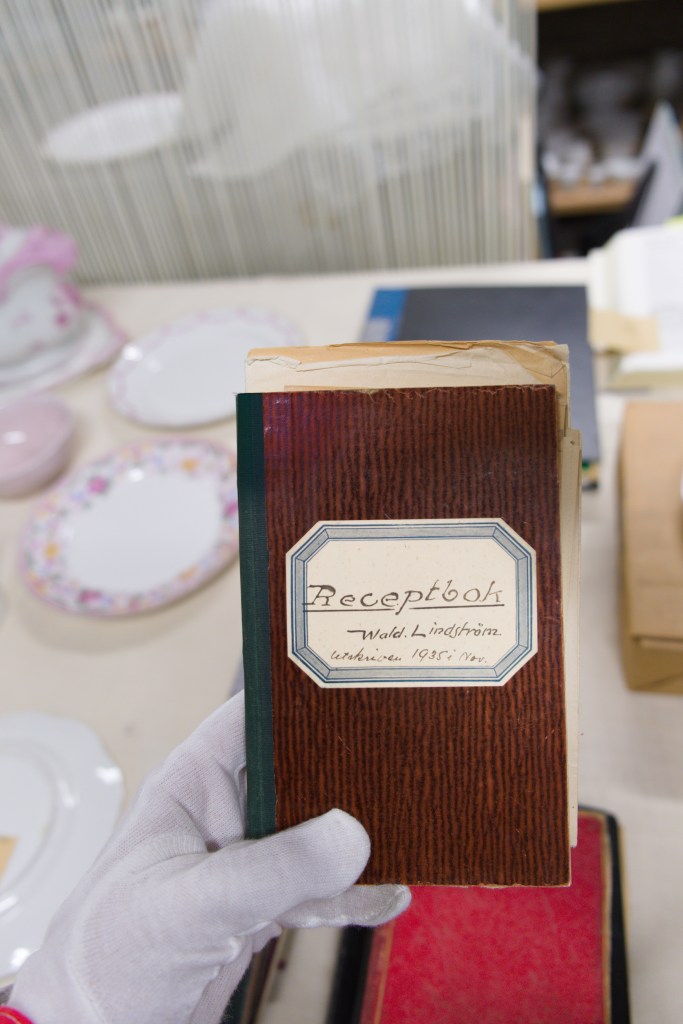
In addition, with the participants in a GlazeLAB we have mixed a series of tests and chosen to continue with a glaze that can be used in W. Lindström’s book, called J Matt green 4.
From one firing to another, we have, together with the participants in the lab, gone through disappointment, curiosity or discouragement and better understanding.
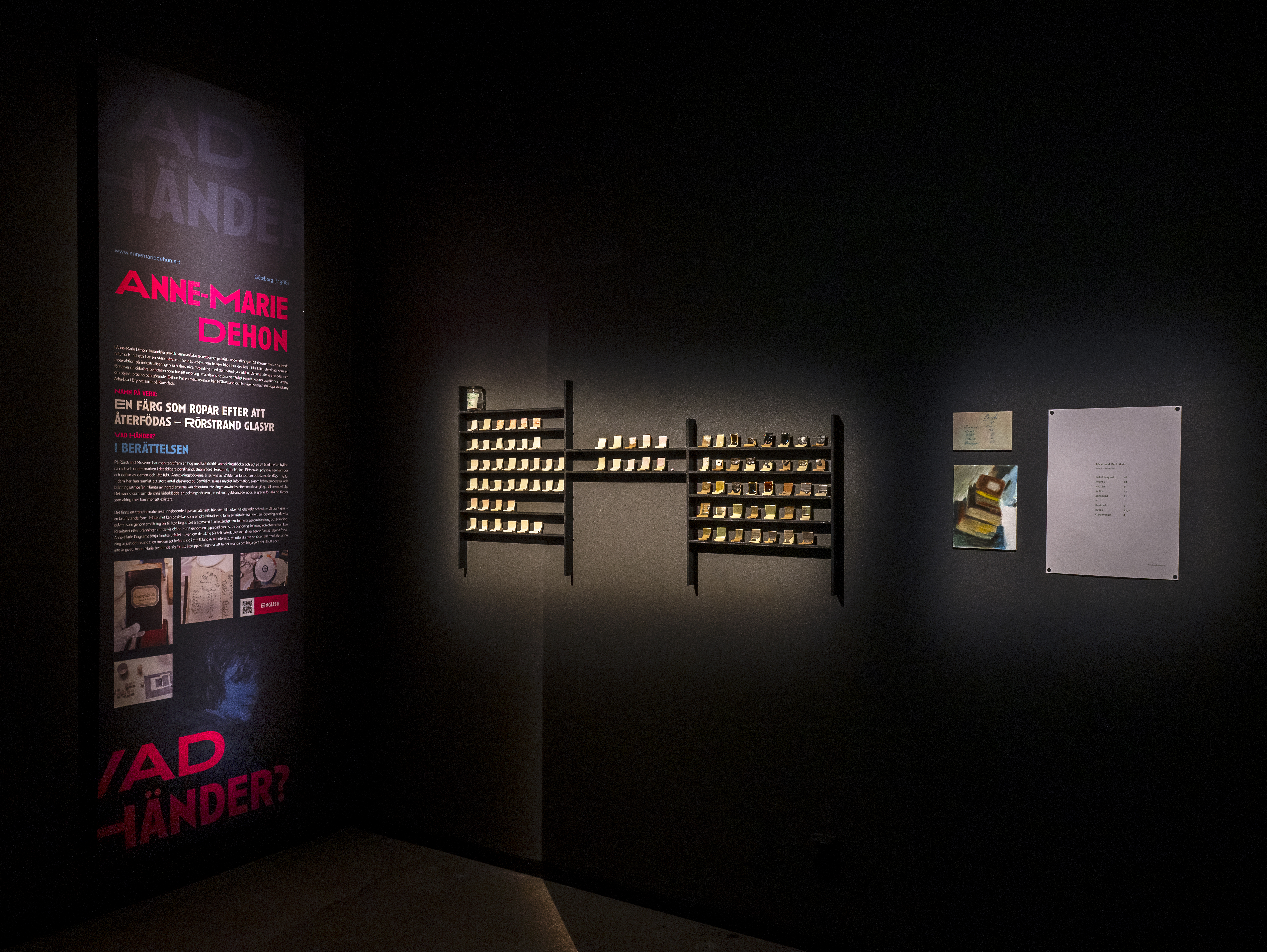
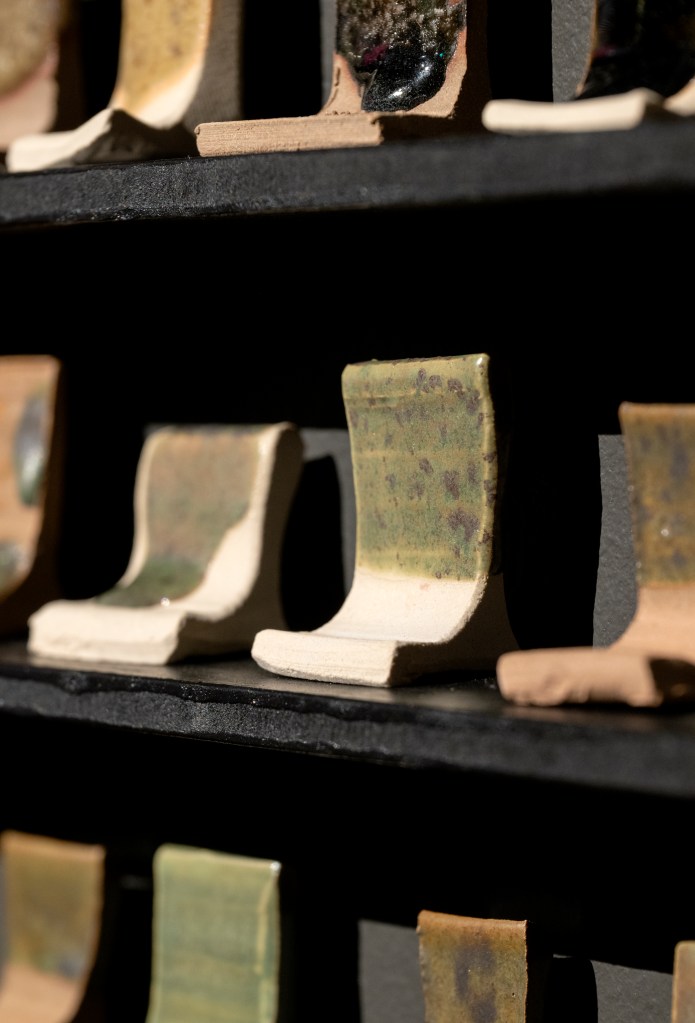
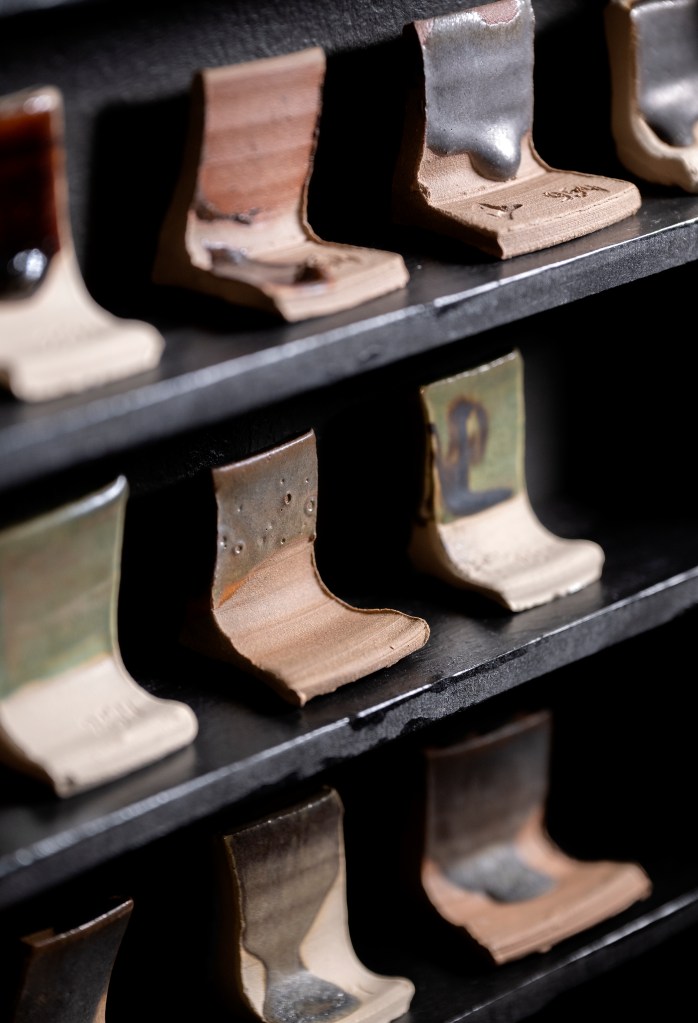
In the pictures, you can see 84 samples of stoneware glazes that have been made based on W. Lindström’s recipe:
The pink colors have been made in my studio, both from Rörstrand’s rose pigments and from chromium and tin oxides.
The third part on the right has been mixed by the participants in GlazeLab.
Thanks to all the participants in GlazeLab: Ann Törnell, Inga-Lena Rosvall, Lina Börjesson, Linnéa Larsson, Lisa Willman and Ulrika Nyström.
A project made in collaboration with: Form&Folk; Konsthantverkcentrum; Borås Textilmuseet; Rörstrand museum; Västra Götalandsregionen.

